
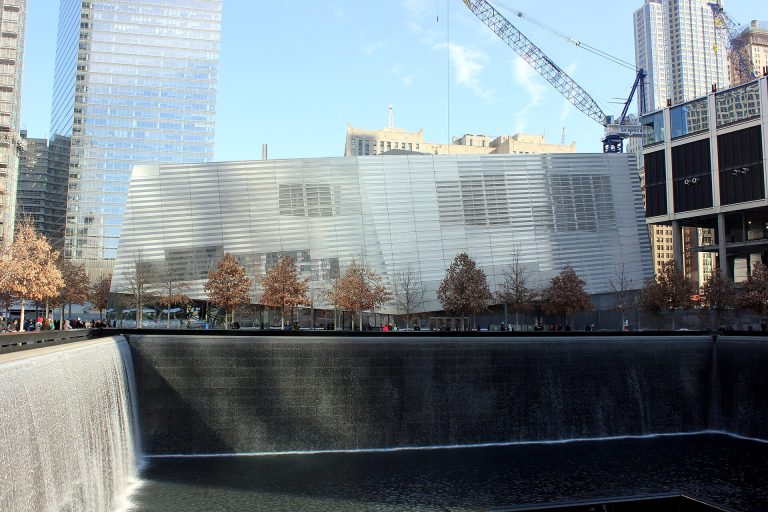
I turned 25 the same year as the 25th anniversary of the 9/11 bombing, which my parents protected me from until I was old enough to understand. I don’t remember the planes hitting the World Trade Center. I don’t remember the towers falling. I don’t remember the attacks as they were happening. My first memory of hearing about 9/11 would probably have been around middle school. My teachers and parents explained what happened in just the right way for little kids to understand. I didn’t quite understand the meaning of it at the time.
Growing Up in the Aftermath
I grew up in a country where the effects of 9/11 were already part of everyone’s daily life. Airport security was one of the clearest examples. There were security procedures you had to go through, including showing your ID and your ticket and going through security before getting to your gate. When I learned why, I started to understand what happens in the aftermath of an attack of that scale. It showed me that an attack doesn’t end when it is over. Its effects can enter into the daily life of everyone in the country. After 9/11, the more my family and I traveled, the more I noticed how security had changed for people entering and leaving the country.
The more I learned about 9/11 and what happened, the more I began to realize that what happened to the United States could happen anywhere else. Terrorism is not limited to one country. As I got older, I also began to understand that terrorism does not stay the same, and threats can also change. With modern technology becoming better every day technology continues to change how threats can be carried out, but it can also give governments and communities new ways to detect and prevent them. The tools may change, but the need to protect people will always remain the same.
Why I Want to Serve
At the end of grade school and the beginning of high school, I started feeling like I had to serve my country, in whatever way that meant. The more I learned about the devastation of 9/11, the more I began to realize how important it is to prevent people from carrying out more attacks like that.
To me, serving my country is not only about protecting it, but it is also about protecting other people. I came to believe that there are people in this world who want to do harm to others, and there must be people willing to stand up and stop them.
With that in mind, the events portrayed in 13 Hours: The Secret Soldiers of Benghazi really struck me. The attack occurred on September 11, 2012, 11 years after 9/11. It confirmed something I was already learning: Even 11 years after an attack like 9/11, Americans could still be targets of terrorism. I found most interesting the idea that people could be in need of help and those higher up could still deny that help. It made me think more about how important it is to be prepared to stand up for people when they need it the most. I still remember how I internalized a need to protect others and how we need to improve how we do that.
The Importance of Unity
But to me, there’s another lesson that 9/11 has taught me: Americans must stand together.
Politics are dividing our country today. We can have different political beliefs and still be Americans. We may not agree with each other, but we are not enemies.
We’ve seen Americans unite after attacks in the past. The 2013 Boston Marathon bombing demonstrated how people can work together and help one another. After the attack, the people of Boston came together and members of the community assisted authorities in identifying the perpetrators.
That kind of unity matters because security is more than simply stopping attacks. It’s also about how a country reacts when something happens.
Even at 12, I recognized the need for people to work together and not develop hatred toward innocent people. When I was 17 years old, I accepted a Kennedy-Lugar YES scholarship to spend a year in India. Richard Lugar and Ted Kennedy worked across the aisle to recognize that we cannot let terrorism create hatred and make enemies of friends abroad. The program was designed to create friendships between American students and young people in Muslim-majority countries.
What We Should Remember
I think the U.S. needs to remember that security is still an issue. Terrorism remains a threat, and we need to keep looking for ways to protect our communities and prevent attacks. But to defend the country is also to defend the unity that makes it strong.
If we let fear, hatred and division define us, we give the people who want to hurt us something that an attack can’t take away. We lose our unity.
I was seven months old when 9/11 happened. I don’t recall that day, but I grew up in the world it made. I grew up with the security procedures and the stories and lessons that went with it. Those lessons eventually helped me decide I wanted to serve my country.
For those born after 9/11, it is easy to ask why they should care about something that happened before they were born. Here’s the easy answer. Terrorism still affects people around the world, including the United States. If we forget what happened, we can have history repeat itself.
We must never forget that we are Americans. We must keep working to make our communities safe. We should remember those that we have lost. Even if we don’t agree, we’re still on the same side.
Never forget.