
Two Histories of Terror: Halabja and September 11
When the attacks of September 11 happened, I was in the first days of my first year of elementary school. I was five years old, living in a small town near Halabja, a place marked by its own history of violence. Years earlier, Halabja had been attacked with chemical weapons by Saddam Hussein’s former Iraqi regime, an atrocity that left a permanent wound on the Kurdish people and the region where I grew up.
The next morning, I woke up to news that seemed to be everywhere. People were speaking about the attacks in the streets, in homes, on television, and during ordinary social gatherings. The atmosphere was different. Adults looked shocked and frightened. Even as a child, I could see the fear in their eyes and hear it in their conversations. It felt as though something terrible and unfamiliar had happened to the world.
I did not fully understand what had taken place in the United States. I only understood that many people had been killed, that airplanes had been used to attack civilians, and that people around me were deeply shaken. For a child, the news was surprising, terrifying, and difficult to process.
My father, who was a teacher, tried to help me understand. He tried to explain what had happened and to lessen the fear and trauma I felt. But it was difficult to separate the shock of September 11 from the history of violence that surrounded my own childhood.
Growing up near Halabja meant growing up in the shadow of collective trauma. The chemical attack on Halabja in 1988, carried out during the Iraqi regime’s genocidal campaign against Kurdish people, even though I am a genocide survivor, killed thousands of civilians and injured many more. Its memory remained present in families, communities, and daily life.
My own family was also touched by violence. One of my older cousins was killed while he was against fighting armed groups that attacked our city. Those groups later became associated with al-Qaeda. For me, terrorism was never only a distant subject discussed in the news. It was something that had affected my family, my community, and the way I understood safety from an early age.
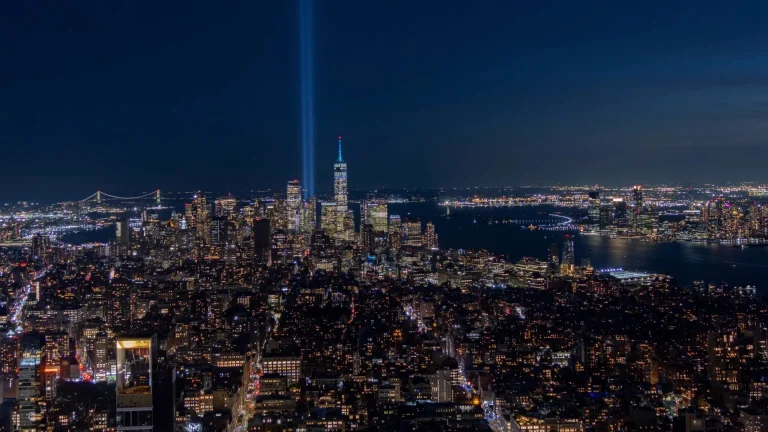
As I grew older, I began to understand that the fear I felt after September 11 was connected to a much larger story—one involving violence, loss, political conflict, and the vulnerability of ordinary people. The attacks of September 11 killed 2,977 people and changed the United States and the wider world. But for a child growing up near Halabja, the attack also connected with memories and fears that were already familiar: the fear of violence, the pain of losing loved ones, and the enduring hope that communities can live without terror.
Today, I remember September 11 not only as a historical event but also as one of my earliest memories of seeing how fear can travel across borders. It taught me, even before I had the language to explain it, that violence in one place can deeply affect people far away and that behind every major event are ordinary families trying to understand, endure, and heal.
In the years that followed, I began to recognize that trauma does not remain only with the people who directly experience violence. It moves through families, communities, and generations. Near Halabja, the chemical attack was not simply a historical event that we learned about in school. It was present in the stories people told, in the silence of families who had lost loved ones, and in the fear that returned whenever people heard news of war or terrorism. For many of us, the past was never completely separate from the present.
As I became older, I understood that the images of September 11 had affected people around the world in different ways. For Americans, it was a day of sudden loss and national shock. For my community, it also brought back memories of our own suffering and reminded us that ordinary people often pay the highest price for political violence. The victims in New York, Washington, and Pennsylvania were strangers to us, but their fear and grief felt understandable. We knew what it meant for a normal day to become a day that families would remember forever.
This is why I remember September 11 not only as an international tragedy but also as a moment that connected my small Kurdish community to a wider human experience of loss, fear, and resilience.