


Michael Sherwin
Founding Board Member
View profile →Global Footprint
Explore Rise to Peace’s work across North America, Latin America & the Caribbean, Europe, Africa, the Middle East, and Asia-Pacific—from research and conferences to media, projects, partnerships and the people carrying the work forward.
Country browser
Choose a country to open its people, research, conferences, media and institutional record.
Central & South Asia
3 countriesEast & Southeast Asia / Indo-Pacific
8 countriesEurope & Eurasia
13 countriesMiddle East & North Africa
11 countriesLatin America & Caribbean
3 countriesNorth America
3 countriesSub-Saharan Africa
7 countriesFounding Board Member
View profile →
Founder
View profile →
Vice-President
View profile →
Early-career feminist peace and conflict researcher
View profile →
Research analyst
View profile →
Researcher
View profile →
Writer and researcher on Global South affairs
View profile →
Doctor of Criminal Justice (DCJ) — Successfully Defended
View profile →
Graduate Student Researcher
View profile →
Student - B.A. Political Science and Philosophy
View profile →
International security, war & conflict, Middle East и Indo-Pacific
View profile →
Student - MSc Crisis and Security Management
View profile →
Politics & International Relations Graduate
View profile →
Research Fellow
View profile →
Research Intern
View profile →
Member
View profile →

News Correstpondent / Junior Researcher
View profile →
Student
View profile →

Director of the Centre for Strategic Studies
View profile →
PhD Student
View profile →
Student
View profile →
Undergraduate Student
View profile →
Founder
View profile →
Student
View profile →
Board Director
View profile →
Research fellow/Counter —Terrorism
View profile →
Student
View profile →
Intern/Campaign
View profile →
Researcher
View profile →
Senior Lecturer
View profile →
Policy Analyst, Governance and Public Policy
View profile →
Project Management
View profile →
Postgraduate Student
View profile →
Deputy Director Programs
View profile →
Research Assistant
View profile →
CEO
View profile →
Security Lane Performance Manager
View profile →
International Relations
View profile →
Researcher
View profile →
Security Studies Student
View profile →
BS international Relations
View profile →
Program Director
View profile →
MA International Relations
View profile →
Master's of Public and International Affairs, Concentration in Security and Intelligence
View profile →
BA. LLB
View profile →
BA Political Science
View profile →
Researcher
View profile →
Security
View profile →
Policy Analyst, Researcher
View profile →

Geopolitical Risk Analyst
View profile →
Programs Lead
View profile →
Pursuing an MA in International Affairs
View profile →
MA in Public Management, MA in International Security and Specialization in International Migration
View profile →
BA Justice and Peace Studies
View profile →
Senior Lecturer and Course Director MSc Counter Terrorism
View profile →
Communication specialist
View profile →
Bachelor's Degree, Law
View profile →
Doctor of Social Work
View profile →
BSc Security and Crime Science
View profile →
MA International Relations
View profile →
BS Defence and strategic studies
View profile →
Advsior
View profile →
BA Global Affairs with a concentration in Human Security
View profile →
Researcher
View profile →
Research Fellow
View profile →
Research Fellow
View profile →
Research Fellow
View profile →
PhD / Peace and Counter Terrorism
View profile →
Research Fellow
View profile →
Research Fellow
View profile →
Research Fellow
View profile →
Research Fellow
View profile →
Research Fellow
View profile →
Research Fellow
View profile →
Research Fellow
View profile →
Research Fellow
View profile →
Research Fellow
View profile →
Research Fellow
View profile →
Research Fellow
View profile →
Research Fellow
View profile →
Research Fellow
View profile →
Research Fellow
View profile →
Research Fellow
View profile →
Research Fellow
View profile →
Research Fellow
View profile →
Research Fellow
View profile →Research Fellow
View profile →
Research Fellow
View profile →
Research Fellow
View profile →
Research Fellow
View profile →
Research Fellow
View profile →
Research Fellow
View profile →
Research Fellow
View profile →
Research Fellow
View profile →
Research Fellow
View profile →
Research Fellow
View profile →
Research Fellow
View profile →
Research Fellow
View profile →
Research Fellow
View profile →
Research Fellow
View profile →
Research Fellow
View profile →
Research Fellow
View profile →
Research Fellow
View profile →
Research Fellow
View profile →
Research Fellow
View profile →
Research Fellow
View profile →
Research Fellow
View profile →
Research Fellow
View profile →
Research Fellow
View profile →
Research Fellow
View profile →
Research Fellow
View profile →
Research Fellow
View profile →
Research Fellow
View profile →
Research Fellow
View profile →
Research Fellow
View profile →
Research Fellow
View profile →
Research Fellow
View profile →
Research Fellow
View profile →
Research Fellow
View profile →
Research Fellow
View profile →
Research Fellow
View profile →
Research Fellow
View profile →
Research Fellow
View profile →
Research Fellow
View profile →
Research Fellow
View profile →
Research Fellow
View profile →
Research Fellow
View profile →
Research Fellow
View profile →
Research Fellow
View profile →
Research Fellow
View profile →
Research Fellow
View profile →
Research Fellow
View profile →Research Fellow
View profile →
Research Fellow
View profile →Research Fellow
View profile →
Geopolitical Intelligence Analyst
View profile →
Researcher and editor
View profile →

Master of International Affairs
View profile →
AML/CFT investigator
View profile →
MSc Cybercrime
View profile →
Writing and Publication Coordinator
View profile →
BA Public Administration
View profile →
MA in political science
View profile →
PhD in History
View profile →

Co-Director of the Africa Program
View profile →
Research and Policy Liaison
View profile →
Researcher
View profile →
student researcher
View profile →
BA Political Science
View profile →
Graduate Research Assistant
View profile →
BA Political Science, MA Latin American and Caribbean Studies
View profile →
Doctoral Researcher
View profile →
Policy Analyst
View profile →
Research Associate & Analyst
View profile →
U.S. Envoy
View profile →
RESEARCHER
View profile →
Research Intern
View profile →
BA International Relations
View profile →
BA Political Science
View profile →


BA Hons International Relations
View profile →
Project coordinator
View profile →
political; advisor
View profile →
PhD Candidate
View profile →

M.phil International Relations
View profile →
LLM
View profile →
Reporter
View profile →

Economics and Finance
View profile →
AI Professional
View profile →
Research Associate
View profile →

BA in International Studies
View profile →
International Studies
View profile →
MBA- Marketing
View profile →
Student
View profile →

MSc International Studies
View profile →


U.S. Institute of Peace, Washington, D.C. · 2018-04-25
Rise to Peace held a public dialogue on Afghanistan’s future at the U.S. Institute of Peace in Washington, D.C., bringing lived experience and policy perspectives into the same room.
View event photograph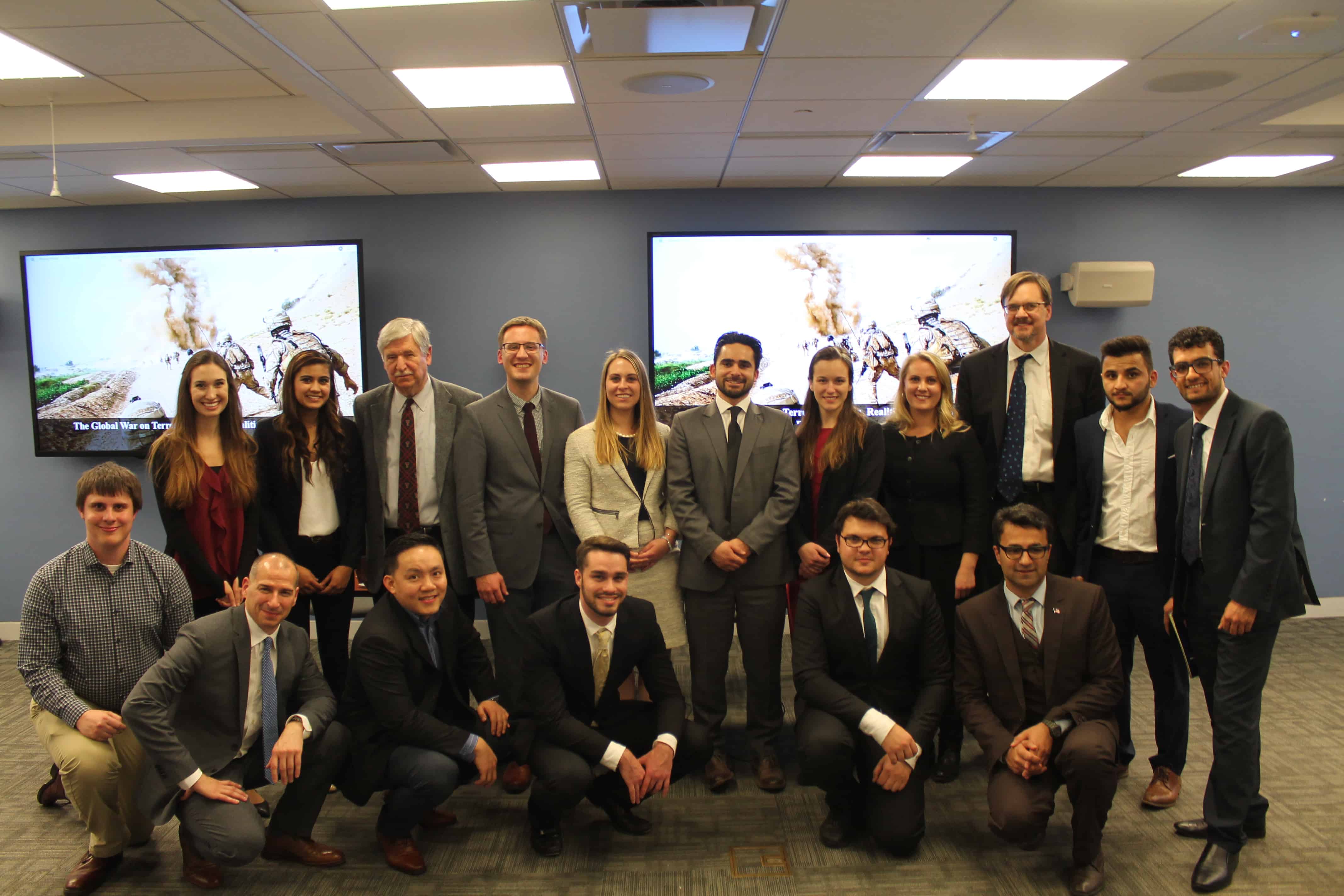
George Washington University, Elliott School · 2017-12-06


TRT World Now · 2025-12-14
TRT World Now coverage of an attack involving U.S. troops in Syria, included as part of Rise to Peace's wider work on conflict and international security beyond Afghanistan.
Watch / explore

Associated Press / Star-Advertiser · 2022-03-04

Rise to Peace · 2022-02-18
Research on the effects of war and violent-extremist recruitment on children in Syria and the need for prevention and rehabilitation.
Explore record

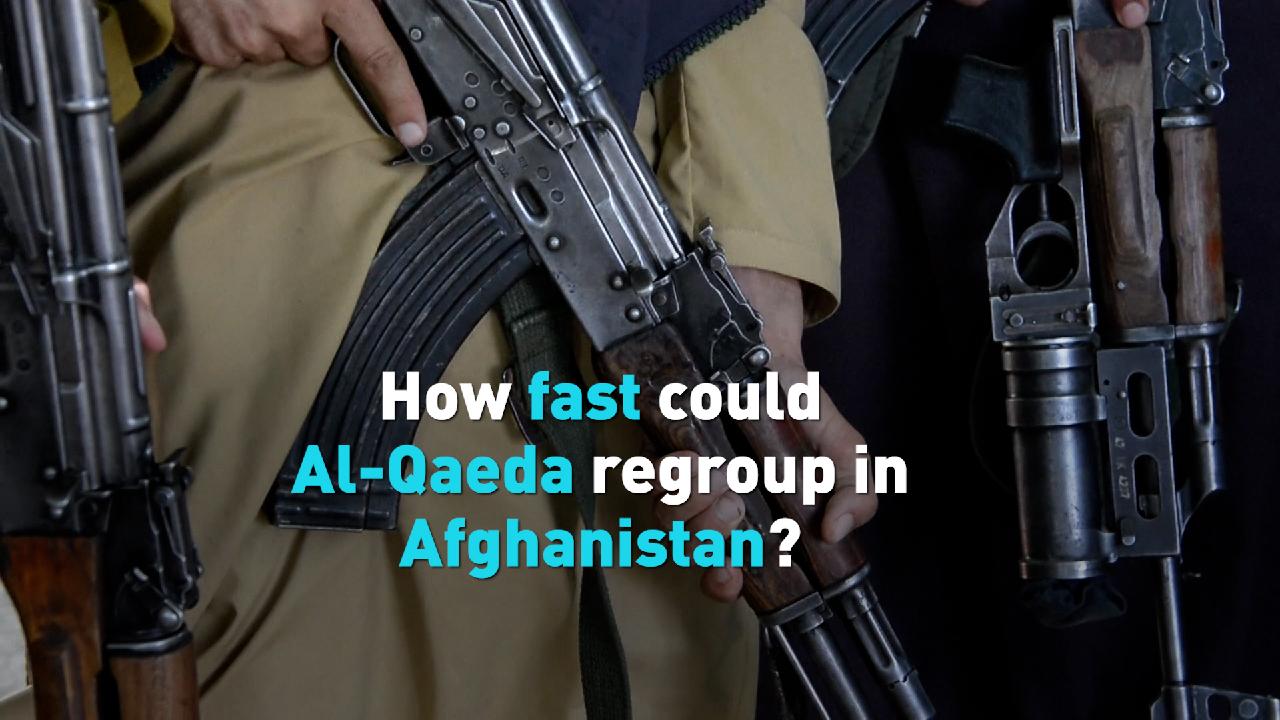

CNN Newsroom with Jim Acosta · 2021-08-28
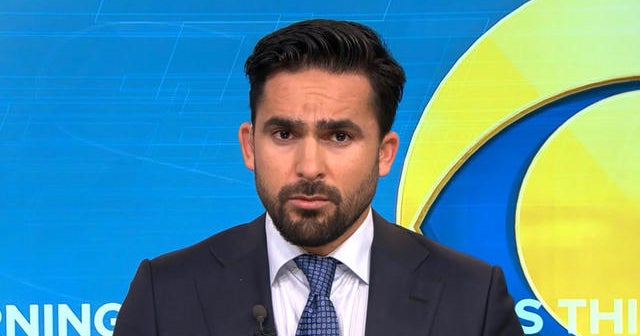

CNN The Lead with Jake Tapper · 2021-08-26


Rise to Peace · 2021-02-25
A public conversation with Michael R. Sherwin on domestic terrorism, investigations, prevention, and public responsibility in the United States.
Explore record
Rise to Peace · 2019-06-27
Research on the human and physical consequences of ISIL and the difficult work of recovery in Iraq.
Explore record
Rise to Peace · 2019-02-26
Analysis of U.S. intelligence assessments, strategy, and democracy promotion surrounding the Iraq War.
Explore record

origin · Origins
Ahmad Shah Mohibi was born into an Afghanistan already shaped by conflict. War was not a subject he discovered later; it was the environment in which childhood, family, school, fear, humor and survival all had to coexist.
Read the full storyfamily · 1990s
The family lived through displacement, political upheaval and loss. His father, Mohibullah, served in the military and treated education as a form of protection. His mother, Halima, could not read or write, but shielded the children through war and insisted that survival could not be the limit of their future.
Read the full storyeducation · 1997
During a period when normal schooling had collapsed, Shah remembers his father returning with a bag of math books and Persian stories and telling the children to learn. The lesson stayed with him: ignorance could be weaponized, so education had to be defended.
Read the full storywomen-youth · 1990s–2010s
Homa was locked out of school during the Taliban years, later taught herself, earned a degree and went on to work in development and education environments associated with USAID, UNDP and Afghanistan’s Ministry of Education. Her path became part of Shah’s lifelong belief that women’s access to education is inseparable from peace and opportunity.
Read the full storyfamily · After 2001
After 2001, members of the family entered different forms of public and security service: military service, U.S.-mission support, development work and presidential protection. The family story made conflict, government, humanitarian work and education personal rather than abstract.
Read the full storyeducation · After 9/11
After the Taliban government collapsed in 2001, Shah’s family moved from Badakhshan to Kabul. He learned English from his father’s manuals and ESL classes, spent paid hours in internet cafés trying to understand the wider world, and eventually saved enough to buy his first desktop computer. Access to information became one of the defining ideas of his later work.
Read the full story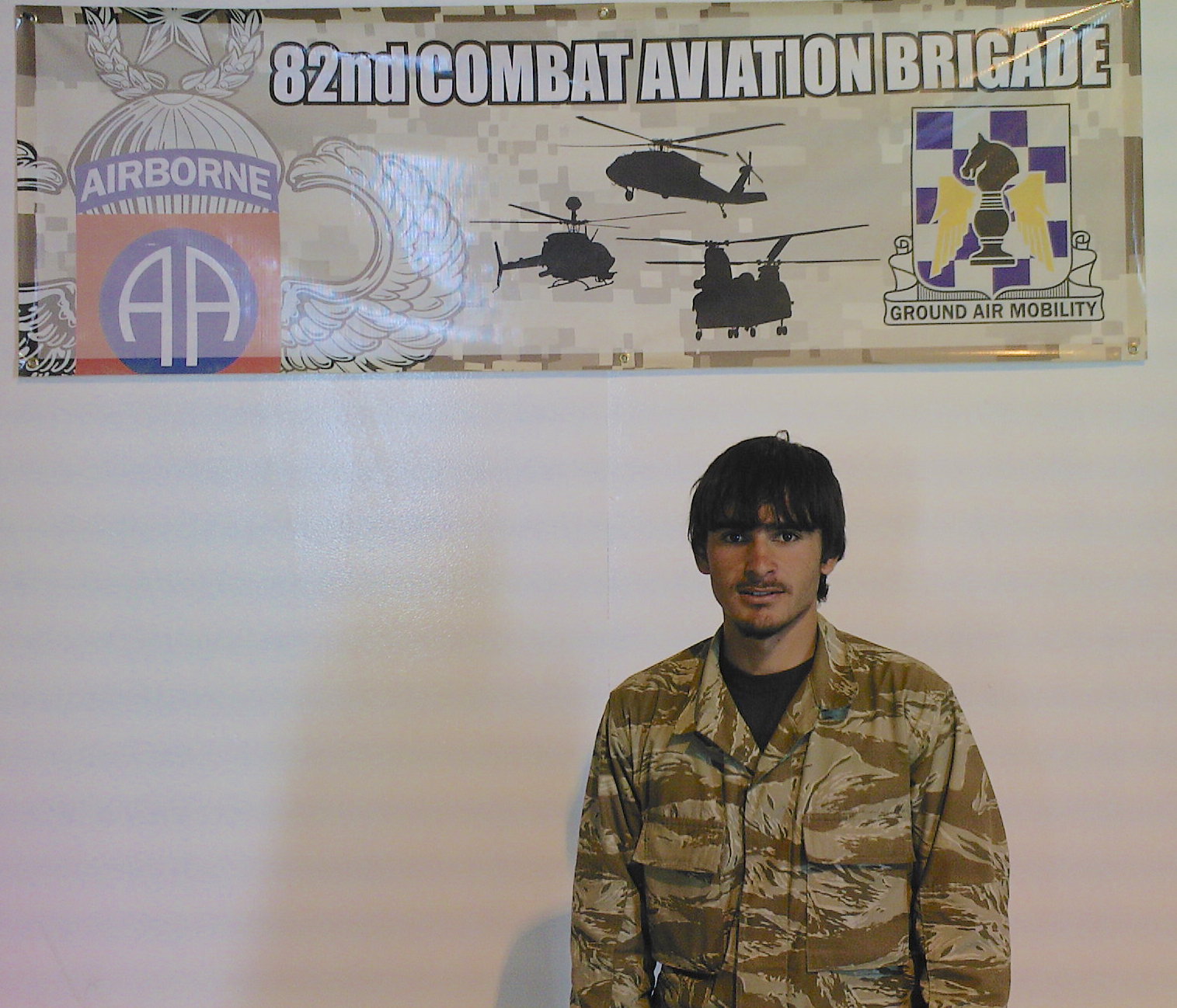
public-service · 2006 · about age 16
Still a teenager, Shah left school and offered his languages, local knowledge and cross-cultural skills to the U.S. mission. He has written that he lied about his age because he wanted the opportunity. English manuals, computers, missions, conversations and people became a different kind of classroom.
Read the full storycoexistence · 2006–2010s
Working around Afghans, Americans and multinational military and civilian personnel exposed Shah to people from dozens of countries, languages, cultures, faiths, foods and ways of thinking. Kabul became his first global classroom and helped shape the coexistence philosophy behind Rise to Peace.
Read the full storyresearch · 2006–2010s
Years of mission support, threat analysis, rule-of-law and counterterrorism environments gave Shah a close view of how violence is organized—and why people are pulled toward it. That experience later shaped Rise to Peace’s emphasis on recruitment, grievance, identity, misinformation and prevention rather than treating terrorism as one nationality, religion or battlefield.
Read the full storymigration · United States
After years working with the U.S. mission in Afghanistan, Shah came to the United States through the Special Immigrant Visa pathway, continued public-service work and began building a life in the country he had first encountered through people working in Kabul.
Read the full storyeducation · 2014–2017
He studied Government and International Politics at George Mason University. The campus years became more than a degree: they became the recruiting ground for the first students and volunteers who would help turn Rise to Peace from an idea into a living organization.
Read the full storypublic-service · U.S. public service
Across U.S. government and mission-support environments, his work expanded from Afghanistan into national security, foreign affairs, rule of law, international development, stabilization and crisis operations. The contrast between ground reality and institutional decision-making became one of the central questions he wanted Rise to Peace to address.
Read the full story
humanitarian · 2016
Through Mission to Heal, Shah supported a rural medical mission in Mongolia. His career materials describe operations support for a mission that served nearly 1,000 patients and supported four surgeries—an experience that reinforced the idea that security also means access to basic human needs.
View mission photographorganization · 2016
Shah founded Rise to Peace in 2016, with Michael R. Sherwin as a founding board member. The premise was simple: people should have a place to understand violence, learn from one another and build alternatives through research, education, dialogue and practical work.
Read the full storyleadership · 2016–2017
Before there was a global network, there was direct recruiting: Shah pitching strangers on a campus sidewalk, asking students and young professionals to volunteer, research, write and help build something. Some joined for a semester; others stayed, returned as mentors, or carried the experience into careers of their own.
Read the full story
leadership · 2017–present
Rise to Peace evolved into a learning and career-development environment for students, interns, researchers, analysts, advisers and working professionals. Participants could publish, monitor, interview, build data projects, support events, learn open-source research and take responsibility early—then remain connected as mentors and collaborators.
Read the full storyintelligence · From 2017
Before today’s AI-assisted workflows, Active Intelligence was built around people. Researchers followed public reporting, local sources and open social platforms, logged security incidents, compared sources and produced recurring updates. The core principle was—and remains—human judgment before publication.
Read the full storyeducation · 2017–2018
Shah completed graduate study in International Policy and Practice at George Washington University’s Elliott School of International Affairs, connecting field experience with policy, diplomacy and institutional practice.
Read the full storycommunity · Jul 8, 2017
One of the early community projects pushed the mission outside policy language and toward a simpler idea: contact, conversation and human recognition are part of how societies resist fear and division.
View original storyconvening · Dec 6, 2017
Rise to Peace convened a public discussion at George Washington University’s Elliott School around the Global War on Terrorism—part of an early strategy to bring lived experience, researchers, journalists and practitioners into the same room.
View eventrecognition · 2018
Rise to Peace advanced in George Washington University’s New Venture Competition during its early growth, reflecting an effort to build the mission as a durable operating model rather than a one-off campaign.
View GW semifinalist recordconvening · Apr 25, 2018
Rise to Peace held a public dialogue on Afghanistan’s future at the U.S. Institute of Peace in Washington, D.C., bringing lived experience and policy perspectives into the same room.
View event photographconvening · Jun 27, 2018
A Rise to Peace discussion at Khurshid University brought the question of Afghanistan’s future into a university setting in Kabul, connecting the Washington dialogue with people living the conflict directly.
Read the full storymedia · Jul 2018
Shah appeared on TOLOnews to discuss U.S. direct talks with the Taliban and the Afghan peace process—an early example of the organization using media as public education, not simply publicity.
Watch discussionconvening · Nov 13, 2018
Rise to Peace continued its public-dialogue series with a discussion focused on violent extremism and prevention, reinforcing the organization’s push to move the terrorism conversation beyond labels and toward the human process that produces violence.
View eventcommunity · 2018–2020
Early community work explored a recurring idea: peace is strengthened when daily life becomes more workable. Small livelihood and community experiments in Afghanistan accompanied the organization’s research and public dialogue.
Read the full storyfield-research · 2019
Rise to Peace established a local presence in Kabul to strengthen field research and engagement. Organizational records describe more than 60 interviews with Afghan officials, political figures, civil-society representatives, local leaders and other stakeholders, alongside relationships with universities, media organizations and roughly 18 civil-society organizations.
Read the full storyeducation · Mar 13, 2019
At the American University of Afghanistan, Rise to Peace’s public-engagement work connected political transition, extremism and the role of young people in Afghanistan’s future.
Read the full storyyouth · 2019
During a Kabul visit, Shah describes meeting more than fifty-five young detainees at a rehabilitation center, including children and teenagers associated with Taliban and Islamic State cases. The experience sharpened Rise to Peace’s focus on indoctrination, recruitment, identity, grievance and the need to intervene before violence becomes purpose.
Read the full story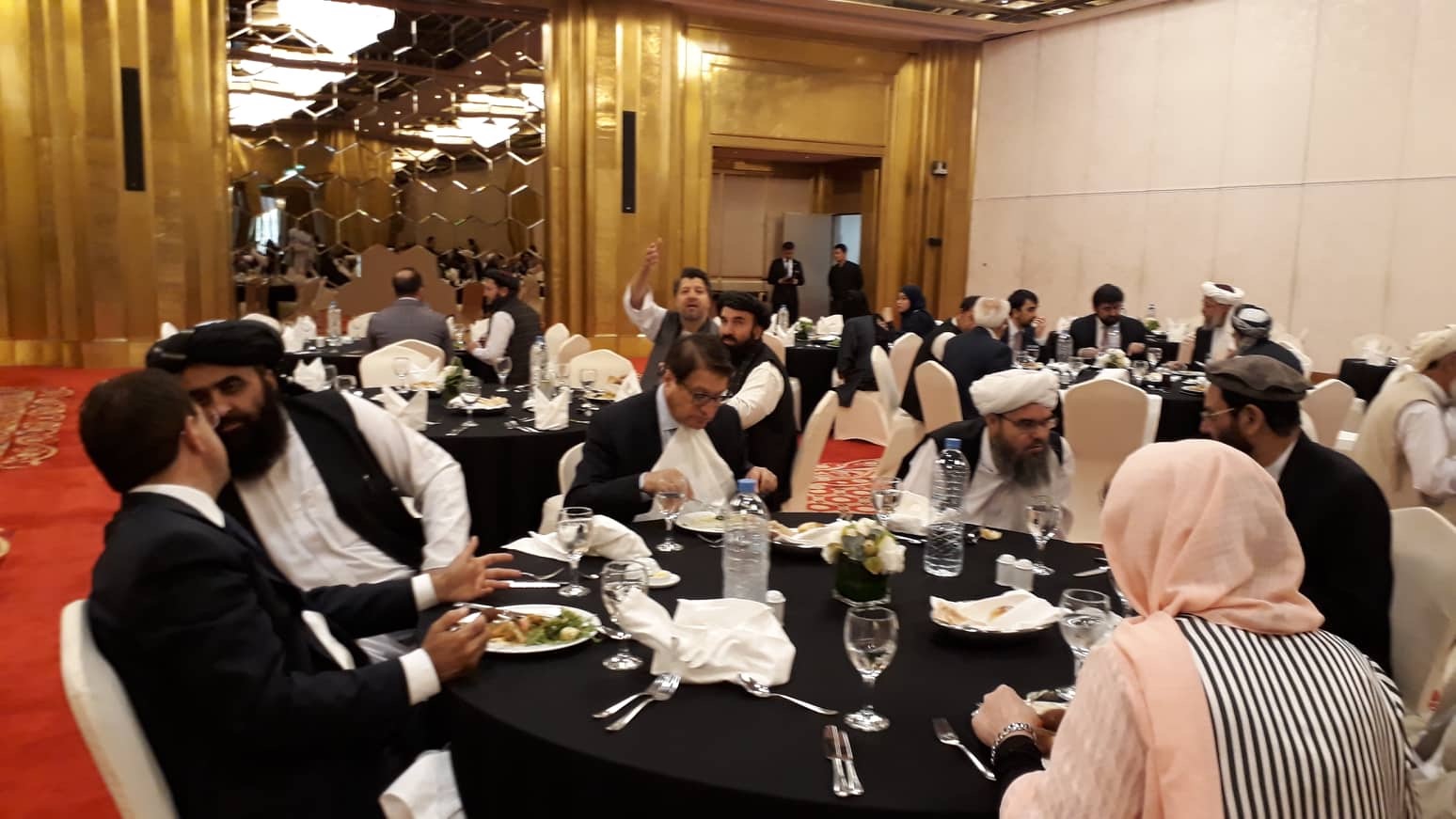
research · 2019–2020
Field interviews, consultations and public events connected formal peace-process questions to civil society, universities, media, community leaders and people affected by the conflict. Rise to Peace also maintained contacts connected to the Doha negotiations and used those conversations to inform analysis and public education.
Read the full storyconvening · Nov 8, 2019
A Rise to Peace discussion at John Jay College extended the convening model beyond Washington and Kabul, bringing civil-society and prevention questions into another academic community.
Read the full storyconvening · Dec 11, 2019
A documented Elliott School discussion brought journalists, regional experts and practitioners together as Afghanistan approached another critical year. A full transcript preserves the substance, not just the event photo.
Read panel transcript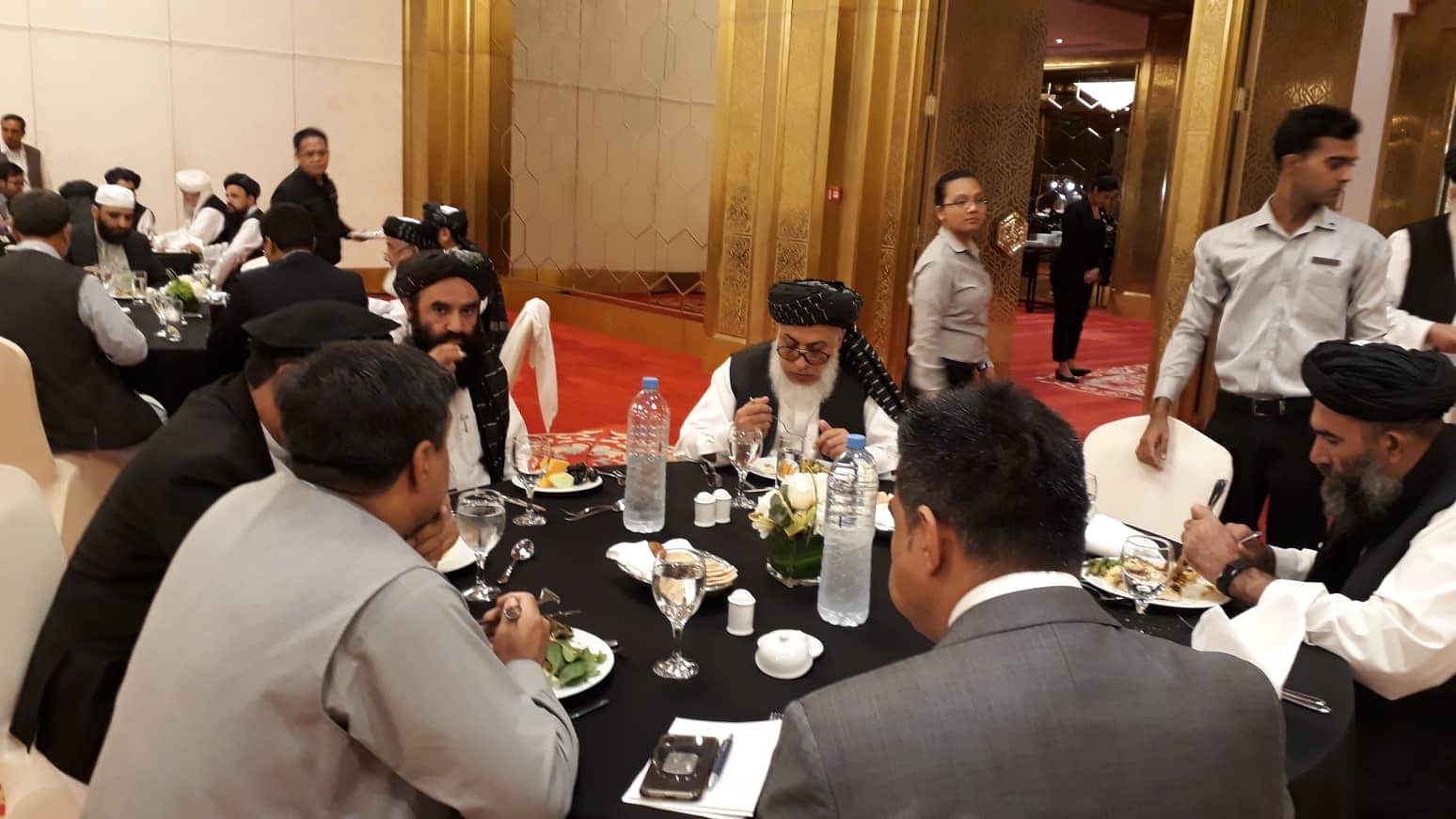
peace-process · 2020
Through analysis, interviews and contacts connected to the peace process, Shah and Rise to Peace examined prisoner releases, intra-Afghan negotiations, regional influence and what agreements would mean for people living with the consequences on the ground.
Read the full storywomen-youth · Autumn 2020
In Gunbaz Balocha, Rise to Peace piloted a women-led textile and handicraft project with five skilled female artisans, six learners, a local project manager and logistical support. The idea was practical: preserve skills, create a space for women to learn together and test pathways toward home-based income.
Read the full storyconvening · Feb 25, 2021
A public conversation on domestic terrorism with Michael R. Sherwin reflected a broader evolution in the organization’s thinking: the mechanics of grievance, propaganda and violence are not confined to one country or ideology.
Read discussioncrisis · Aug 2021
As Kabul collapsed, Rise to Peace moved into real-time crisis documentation and support. Shah appeared repeatedly on international television while the organization’s network shared information from the airport environment and helped families navigate evacuation channels through military, veteran and trusted partner networks.
Read the full storymedia-credit · Aug 19, 2021
Reuters distributed the image of an Afghan girl being pulled over the Kabul airport wall with a “Rise to Peace/via REUTERS” credit. The moment became one of the clearest public records of Rise to Peace material entering the global news cycle.
Read the full storymedia-credit · Aug 19, 2021
NBC News reported that a journalist working for Rise to Peace captured U.S. soldiers helping a woman and a child over the airport wall.
Read the full storymedia-credit · Aug 19, 2021
CNN’s Cuomo Prime Time logged on-screen video credit to “RISE TO PEACE / EARLIER TODAY / KABUL, AFGHANISTAN,” preserving a broadcast record of the organization’s material during the evacuation crisis.
Read the full storyhumanitarian · Aug 2021
Shah’s own family was trying to escape, but the work widened. He coordinated with military and veteran networks, moved names and information through trusted channels and helped eligible families navigate a rapidly changing evacuation environment. Public interviews from that week captured the work while it was still unfolding.
Watch interviewhumanitarian · Nov 2021–2022
Rise to Peace continued reporting on Afghans stranded in transit in Abu Dhabi. The organization documented conditions, amplified evacuee concerns and helped keep attention on people whose journey to safety had stalled after leaving Afghanistan.
Read field reporting
media-credit · Mar 4, 2022
Associated Press reporting quoted Shah as founder of Rise to Peace and credited Rise to Peace photographs from Afghan evacuee demonstrations in the UAE.
Read the full storyeducation · 2019–2020s
Rise to Peace’s education vision included planning connected to Türkiye and displaced communities, using language, mentorship and practical learning as routes into opportunity.
Read the full storywomen-youth · Ongoing
Across research and field programming, Rise to Peace examined how exclusion, recruitment and violence affect women and young people—and the equally important role women and youth play in prevention, education, economic participation and community leadership. Afghanistan was central, while research and monitoring also looked across Africa, the Middle East and other regions.
Read the full story
digital-extremism · 2010s–present
Digital Extremism work extended the prevention model into public online spaces. Researchers used topic and keyword searches across social platforms and open sources to identify extremist narratives, propaganda, disinformation and other forms of digital violence, then connected those observations to research and training.
Read the full storyleadership · A decade of fellowships
Some participants were students. Others already worked full-time in government, finance, technology, education, healthcare, law enforcement or intelligence and wanted experience in foreign affairs, research or public-interest work. Rise to Peace gave them projects, editorial feedback, publication opportunities, mentorship and a professional network they could carry into the rest of their careers.
Read the full storymedia · 2025
Years after the fall of Kabul, Shah returned to CNN to discuss the 2021 evacuation, vetting, resettlement and lessons from the withdrawal—showing how the same crisis continued to shape public debate long after the airport closed.
Read the full story
book · 2025-12-28
Ahmad Shah Mohibi published WarGuy: A True Story of an Afghan Boy Born in War. Built by War. Freed in America. The memoir places the founder’s personal history—war, family, public service and the 2021 Kabul evacuation—on the record alongside the institution it helped inspire.
Explore the memoirai · 2025–2026
The newest generation of Rise to Peace systems uses AI to assist discovery, translation, summarization, classification, drafting, source comparison and workflow automation. Human researchers and editors remain responsible for judgment, verification and publication decisions.
Read the full story
book · 2026-02-05
The organization’s first decade was consolidated into Rise to Peace: From Fighting Terror to Building Peace, a 10-year anniversary book connecting the founder’s lived experience with the prevention philosophy and institutional work that grew from it.
Explore the book
intelligence · 2026
Active Intelligence evolved into a live, source-linked security monitor designed to organize fast-moving public reporting across regions. The current system combines automation with human review and is intended for public situational awareness and research—not predictive targeting.
Read the full storyresearch · Sep 2026
The public WordPress archive contains 675+ posts as of September 2026, in addition to special reports, manuals, interviews and other long-form work. The stronger story is not one giant report; it is the habit of publishing continuously for a decade.
Read the full story
leadership · 2016–2026
Fellows, interns, researchers, professionals, advisers and contributors carry the work across borders. Their publications, skills and relationships are the human foundation of Rise to Peace.
Read the full storyconvening · 2017–2026
Across Washington, New York, Kabul and online settings, Rise to Peace has brought researchers, practitioners and communities together for conferences, panels and public dialogue.
Read the full storymedia · A decade in media
Television interviews, public commentary and field reporting have carried the work to wider audiences. Explore the individual appearances, topics and source records in the media archive.
Read the full storyrecognition · 2026
Shah joined a counterterrorism-focused editorial board at Homeland Security Today, extending the research and public-education role into another professional platform.
Read the full storywomen-youth · 2026
Rise to Peace developed a new 12-month Yarning proposal for Gunbaz Balocha: 30 women participants, five female artisan trainers, peer learning, practical production, enterprise skills and market testing. It builds on the 2020 pilot and is seeking funding rather than being presented as already delivered.
Read the full storywomen-youth · 2026 context
The next phase is shaped by the reality that Afghan girls remain barred from formal education beyond Grade 6 and women from university. Rise to Peace’s women-focused work is designed around preserving locally viable spaces for learning, peer support, skills, leadership and economic participation.
Read the full storyeducation · Next chapter
One of Shah’s long-running ideas is deliberately simple: a safe place in a village where a young person can reach the internet, learn English, build digital skills, meet mentors and see a world beyond the limits around them. The ambition is to adapt community learning hubs with schools and local partners in places from Afghanistan to Africa and beyond.
Read the full storyfuture · 2026 →
Rise to Peace began with the openings that changed one boy’s life—books, English, a computer, mentors, people from other cultures and a chance to do meaningful work. The next decade is about multiplying those openings: stronger fellowships, better research tools, women-led local programs, learning hubs, public dialogue and responsible technology.
Read the full story